
Australia Day and the stories we refuse to tell ourselves
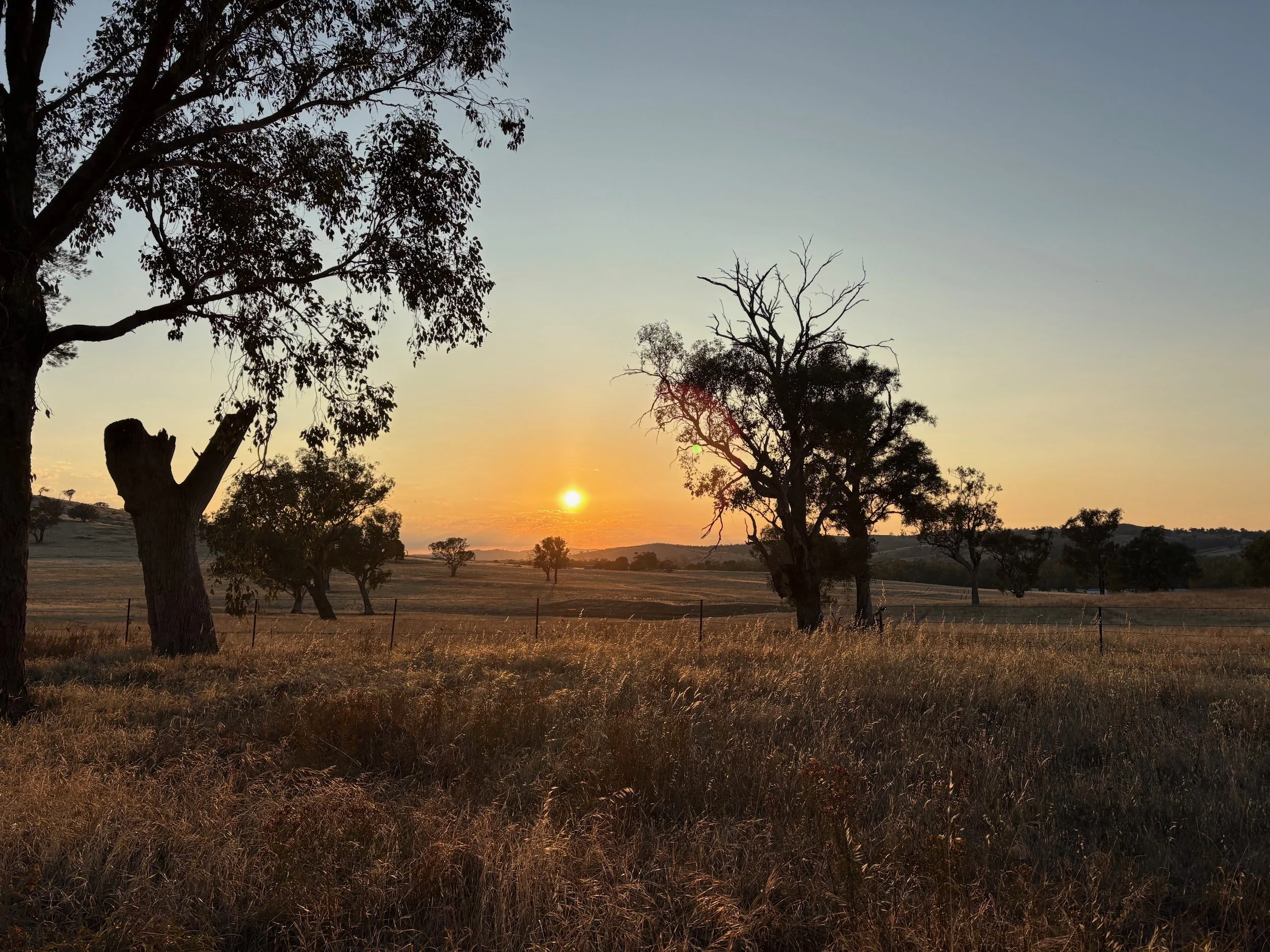
Australia is a beautiful continent.
That part isn’t up for debate.
What is up for debate is the story we insist on telling ourselves about how we came to be here – and why, every January, we seem to dig our heels in rather than look honestly at our own reflection.
This isn’t a blog about cancelling Australia Day.
It’s a blog about courage. Or, more accurately, our apparent lack of it.
Because for a nation that prides itself on being straight-talking, resilient and tough, we are remarkably uncomfortable sitting with our own history. Not just the heroic bits. All of it. The complicated, painful, inconvenient parts too.
A number of years ago we had the privilege of interview the late Aunty Flo Grant, and she put it better than we ever could:
“Australia is a beautiful continent. It has a great history – warts and all. We have to live with the warts and get on with it. It’s easy to teach our children but tell them the truth – don’t half teach a history.”
For us, that sits at the heart of it.
We’ve half-taught our history and then we wrapped it in polyester flags and plastic bunting.
Somehow, questioning Australia Day has become synonymous with being “un-Australian.” As if love for this place requires silence. As if acknowledging harm automatically erases pride. As if holding two truths at once is beyond us.
But strong nations don’t collapse when their myths are interrogated. They grow up.
Looking honestly at colonisation, dispossession and intergenerational trauma doesn’t diminish what Australia is today. Ignoring those realities does. Because denial fractures trust. It entrenches division. It tells First Nations people – again – that their truth is too uncomfortable for the national narrative.
And here’s the uncomfortable bit for the rest of us: If our sense of national identity can’t survive honesty, it wasn’t very strong to begin with.
We tell ourselves that reopening the past will divide us. But pretending the past didn’t happen has already done that. Unity isn’t built on selective memory. It’s built on shared truth.
Teaching our children the full story isn’t an act of shame. It’s an act of respect. It says: this country is strong enough to tell the truth about itself. Strong enough to do better.
Australia Day doesn’t need louder fireworks or angrier debates.
It needs more nuanced conversations.
Conversations that say: yes, this land is extraordinary.
And, the way it was taken caused immense harm.
And, both of those things can be true at the same time.
Until we’re willing to sit with our warts – not hide them, not deny them, not shout people down for pointing them out – we’ll keep cycling through the same arguments every January, wondering why nothing changes.
We’re not talking about loving Australian any less love.
We’re talking about a braver kind of love.
The kind that tells the whole story and trusts that a united future can only be built when everyone’s truth is allowed to be heard.
Bel and Peita