
Why the stories that rattle us are worth sticking with
Some stories arrive quietly. This one very much did not.
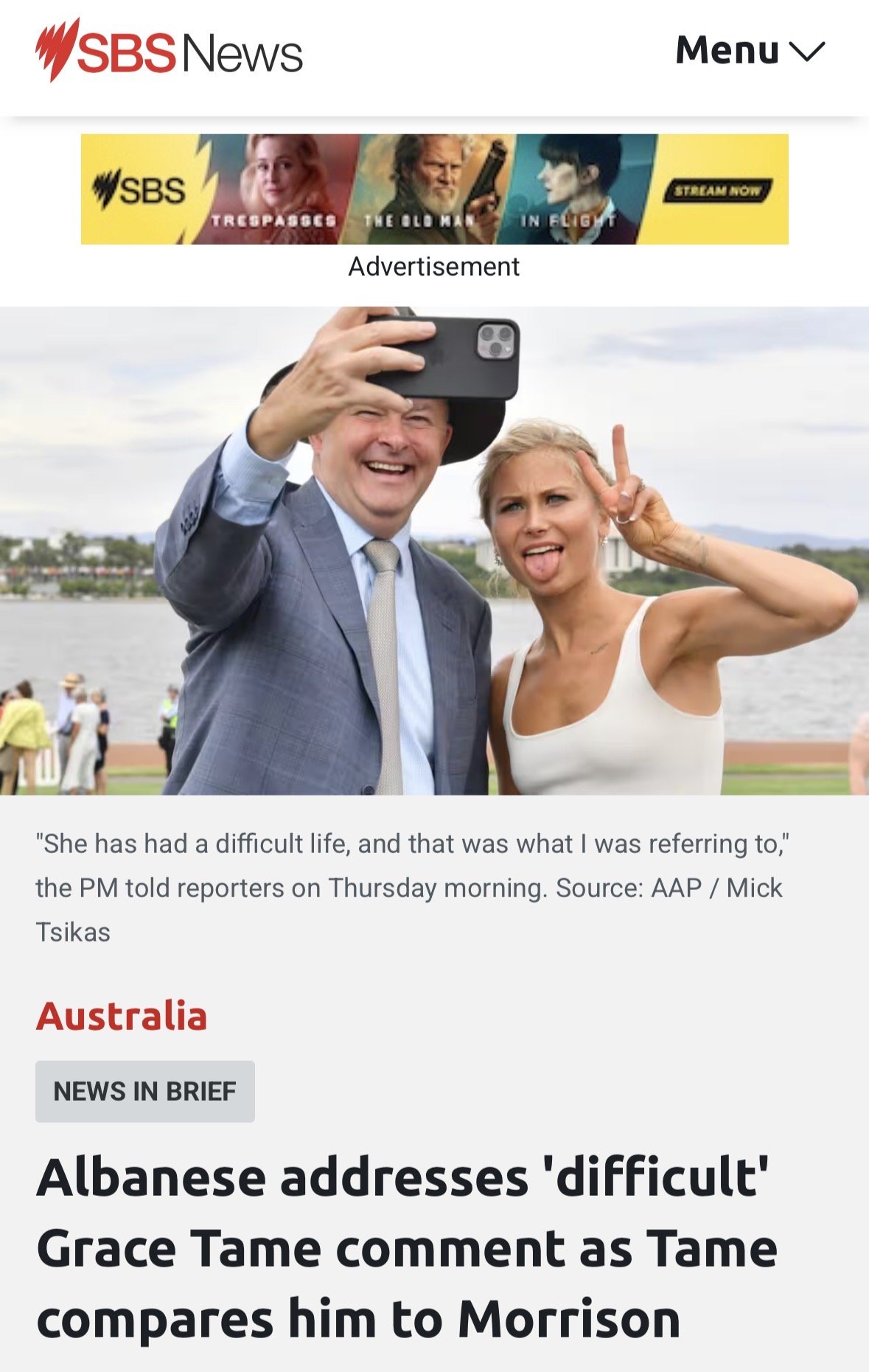
The recent media storm sparked by the Prime Minister’s “difficult” comment about Grace Tame has been one of those moments where a single word detonates and suddenly everyone’s in the comments section with a hot take.
And like most stories that blow up this fast, it’s operating on more than one level.
The first layer is obvious. A Prime Minister publicly describing a prominent female advocate as “difficult” raises eyebrows for good reason. Leadership carries weight. Language carries weight. When those two things collide, people pay attention. That’s the surface story – the one that led the bulletins and fuelled the panels.
Then there is the deeper cultural bruise. The word “difficult” doesn’t land in a vacuum, particularly when directed at an outspoken woman. It carries history. Assertive women are seen as abrasive; persistent women become problematic; challenging the status quo becomes threatening. We’ve seen this movie before. The reaction wasn’t just about one comment; it was about the pattern so many recognise all too well.
And then there’s layer three – the one that doesn’t always make the headline but hums loudly underneath it. You can almost hear it in the collective sigh. The eye-roll. The fatigue in the discourse. Why are we talking about her again? Why does this keep coming up? Why does she keep taking up so much space in the conversation?
It’s the sound of a public wrestling with someone who refuses to tidy herself up for our collective comfort. Someone who keeps returning to issues that are painful, divisive and deeply uncomfortable. Someone who doesn’t soften the edges to make the rest of us feel better.
And this is where it gets interesting – not just politically, but narratively.
Because as storytellers, we know something to be true: if a story makes people feel something, it’s working. That feeling might be empathy. It might be anger. It might be recognition. And yes, sometimes it’s discomfort.
Discomfort is friction. And friction creates movement.
When a story pushes too close to home – to our assumptions, our complicity, our fatigue – the reflex can be swift. We critique tone. We question motives. We focus on personality. We decide we’re tired of the storyteller. If we can discredit the messenger, we don’t have to sit with the message.
But here’s the uncomfortable truth: the stories with the greatest potential for impact are rarely the comfortable ones. They’re the ones that linger. The ones that won’t let us scroll on. The ones that poke at the parts of society we’d prefer remain out of sight so they can comfortably remain out of mind.
From a storytelling perspective, this is gold. Moving people is the work. Prompting them to pause, to argue, to reflect, to feel – that’s impact. That’s narrative doing its job.
Of course, discomfort on its own isn’t virtue. But it is an invitation to ask: Why is this unsettling me? What story am I telling myself about who gets to speak, how loudly, and for how long? Why do I expect to feel comfortable in the first place?
We don’t have to agree with every voice in the public arena. But if we immediately reach for the mute button whenever a story makes us squirm, we miss the opportunity to learn from it.
As storytellers in the news media, in advocacy or working with brands, our role isn’t to make everything neat and palatable. It’s to tell the stories that matter. The ones that illuminate something real. The ones that move the dial.
And as audiences, perhaps our job is simpler (and harder): stay in the room. Sit with the discomfort. Resist the urge to tear down the messenger because the message hits too close to home.
Because, more often than not, that’s where the growth is.
Bel